
Relocating an employee to Seattle or Bellevue should be exciting. A fresh start in one of the country's most dynamic tech corridors, surrounded by stunning mountain views and world-class coffee. But for HR and Global Mobility teams, the reality often looks more like a spreadsheet nightmare filled with hotel invoices, frustrated employees, and logistics that somehow fall through the cracks.
The greater Seattle metro is booming. Amazon, Microsoft, Meta, and countless healthcare systems are constantly bringing in talent, whether it's a six-month project assignment, a permanent relocation, or a traveling professional on contract. And yet, companies keep making the same costly mistakes when it comes to housing these employees.
Let's walk through the seven most common pitfalls we see, and more importantly, how to sidestep them so your relocating employees hit the ground running instead of hitting a wall.
Mistake #1: Booking Hotels for 30+ Day Stays
Here's the math that never quite adds up: a decent extended-stay hotel in Seattle runs $150–$250 per night. For a 60-day assignment, that's $9,000–$15,000, and your employee still doesn't have a real kitchen, laundry, or the kind of space that makes a long stay feel sustainable.
Hotels are designed for short trips. They're transactional by nature. After a few weeks, even the nicest ones start to feel like a gilded cage. Your employee eats out for every meal, works from the edge of a bed, and never quite settles in.
The fix: Fully furnished apartments designed for 30+ day stays offer predictable monthly pricing, full kitchens, in-unit laundry, and actual living space. Your employee gets a home base, not a hotel room. And your budget? It stretches a lot further.

Mistake #2: Ignoring Seattle Traffic (And Its Hidden Productivity Costs)
If you've never sat in bumper-to-bumper traffic on I-5 during rush hour, consider yourself lucky. Seattle consistently ranks among the most congested cities in the U.S., and the Eastside corridor to Bellevue isn't much better.
When you place a relocating employee in housing that's "affordable" but 45 minutes from the office, you're not saving money, you're burning it. Long commutes drain energy, cut into productive hours, and chip away at morale faster than you'd expect.
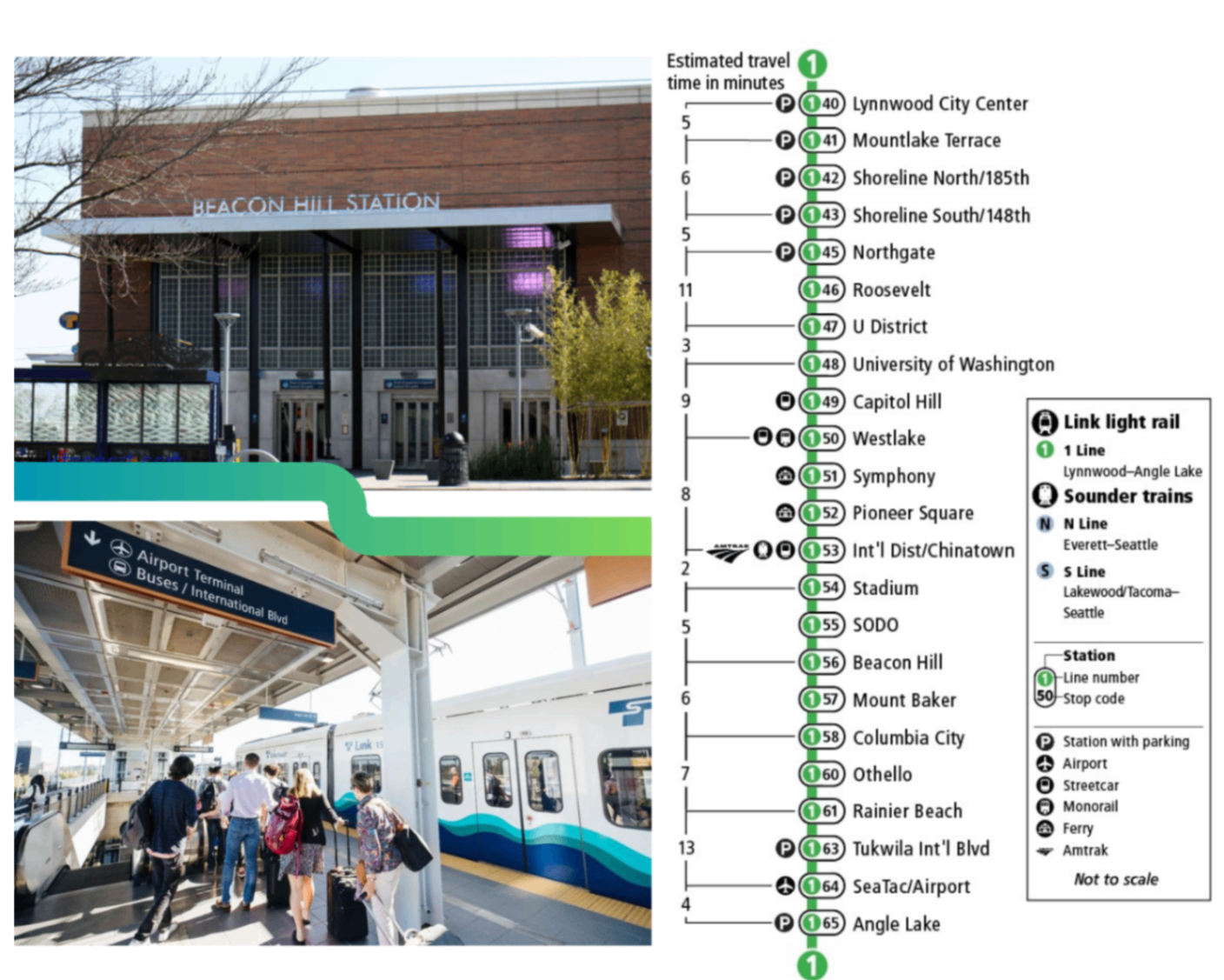
The fix: Prioritize location. Housing near your employee's work site, whether that's downtown Seattle, the Eastside tech campuses, or close to major hospitals, pays dividends in productivity and employee satisfaction. Bonus points if it's near Link Light Rail or major transit hubs for flexibility.
Mistake #3: Juggling Too Many Vendors
One vendor for furniture rental. Another for the apartment lease. A third for utilities setup. A fourth for internet installation. And someone on your team is stuck playing air traffic controller, chasing confirmations and troubleshooting when the Wi-Fi doesn't work on move-in day.
This patchwork approach creates friction at every turn. It's time-consuming, error-prone, and exhausting for everyone involved, especially the employee who just wants to unpack and get to work.
The fix: Partner with a single housing provider that handles everything. Fully furnished units with utilities, ultra-fast Wi-Fi, parking, and 24/7 support included mean one point of contact, one invoice, and zero headaches. Your team gets their time back, and your employee walks into a move-in-ready home.
Mistake #4: Underestimating the Power of "Home" Amenities
It's easy to think of relocation housing as purely functional. A bed, a desk, somewhere to sleep between meetings. But employees on extended assignments aren't robots. They're people who want to cook a meal after a long day, throw in a load of laundry, and decompress in a space that feels like theirs.
When those creature comforts are missing, frustration builds. Morale dips. And suddenly, your star hire is counting down the days until they can go back to wherever "home" actually feels like home.
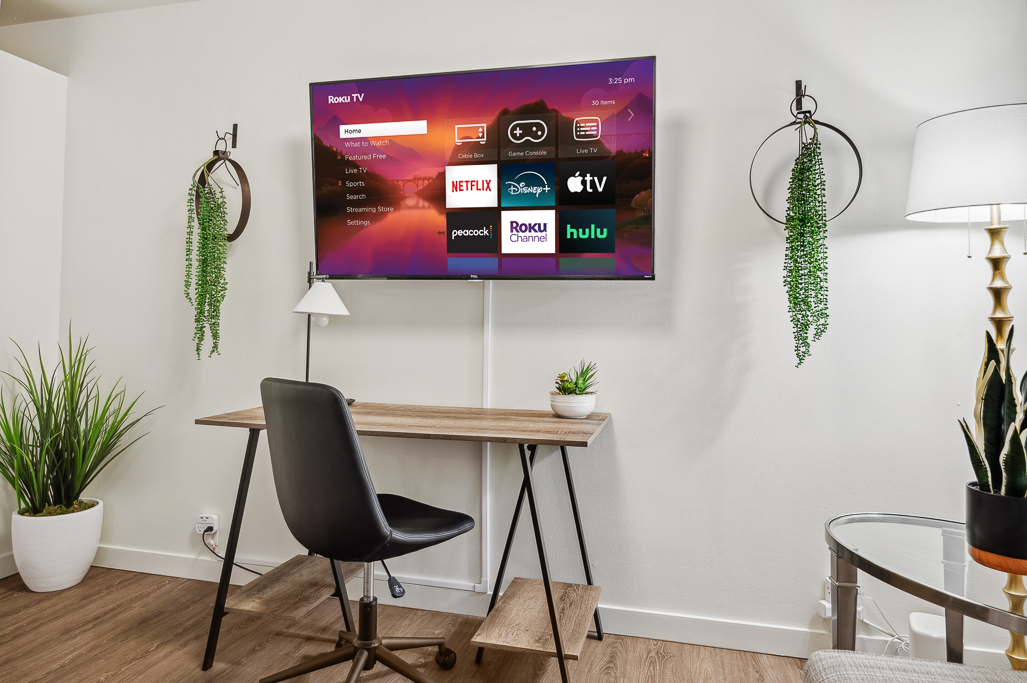
The fix: Look for housing that includes the amenities people actually use: full kitchens with real cookware, in-unit washer and dryer, comfortable workspaces, and living areas where they can unwind. These aren't luxuries, they're the baseline for a sustainable long-term stay.

Mistake #5: Choosing Location Based on Price Alone
Yes, budget matters. But the cheapest option on paper often becomes the most expensive option in practice.
Housing that's far from transit, in an unfamiliar neighborhood, or lacking basic security features creates stress for employees: and stress creates turnover, disengagement, and a relocation experience that leaves a bad taste. For employees new to Seattle, the wrong location can make them feel isolated during what's already a significant life transition.
The fix: Balance cost with quality of life. Prioritize neighborhoods with good walkability, proximity to your office or major employers, and a sense of community. A slightly higher monthly rate in the right location is almost always worth it when you factor in productivity, retention, and employee wellbeing.
Mistake #6: Failing to Communicate What's Included
Nothing derails a relocation faster than mismatched expectations. Your employee shows up expecting a fully stocked apartment and finds bare walls and a mattress on the floor. Or they assume parking is included, only to discover a $300/month garage fee on day one.
These surprises erode trust: not just in the housing, but in the company that arranged it. And they're completely avoidable.
The fix: Work with housing partners who provide clear, upfront information about exactly what's included. Premium furnishings, equipped kitchens, linens, Wi-Fi speeds, parking, building security, housekeeping options: all of it should be spelled out before your employee ever packs a bag. Transparency isn't a nice-to-have; it's essential.
Mistake #7: Treating Every Relocation the Same
A senior executive relocating their family for a permanent move has very different needs than a travel nurse on a 13-week contract or a consultant flying in for a three-month project. Yet many companies default to a one-size-fits-all approach: same housing, same process, same lack of flexibility.
This creates friction on both ends. Over-housing a short-term assignee wastes budget. Under-housing a long-term relocator damages the employee experience. Neither outcome helps your bottom line or your reputation as an employer.
The fix: Flexible housing solutions matter. Look for partners who offer a range of unit types and lease terms: from studios for solo professionals to larger apartments for those bringing family. The ability to scale up, scale down, or extend a stay without starting from scratch is invaluable for dynamic workforce needs.
The Smarter Approach to Seattle Relocations
Employee relocation doesn't have to be a logistical nightmare. With the right housing partner, it becomes a competitive advantage: a seamless experience that helps your people settle in faster, perform better, and feel genuinely supported during a major life transition.
At Roundtop Rentals, we specialize in fully furnished apartments across the greater Seattle and Bellevue metro areas, designed specifically for corporate, federal, and healthcare professionals on 30-day to 12+ month assignments. Every unit includes premium furnishings, ultra-fast Wi-Fi, in-unit laundry, secure access, and 24/7 guest support: because your employees deserve more than a hotel room with a microwave.
Whether you're managing a single relocation or building a preferred vendor relationship for ongoing placements, we make it easy. One point of contact. Predictable pricing. Move-in-ready homes that let your people focus on their work, not their housing.
Ready to simplify your Seattle relocations? Explore our amenities or get in touch to discuss your team's needs. We'd love to be your go-to housing partner in the Pacific Northwest.