
When you're planning an extended stay in Seattle: whether for a work assignment, medical treatment, or family relocation: the accommodation decision becomes more complex than a typical vacation booking. Should you settle into a corporate housing unit or stick with the familiar territory of hotels? The answer isn't as straightforward as you might think, and making the wrong choice could cost you thousands of dollars and countless hours of comfort.
Seattle's unique landscape of tech professionals, medical travelers, and relocated employees creates a robust market for both extended-stay hotels and furnished corporate housing. Understanding which option aligns with your specific needs can transform a potentially stressful extended stay into a seamless, comfortable experience.
The Corporate Housing Advantage: Your Home Away From Home
Corporate housing represents a fundamental shift from temporary accommodation to temporary residence. These fully furnished apartments and homes are designed specifically for stays lasting 30 days or longer, offering amenities that hotels simply cannot match.
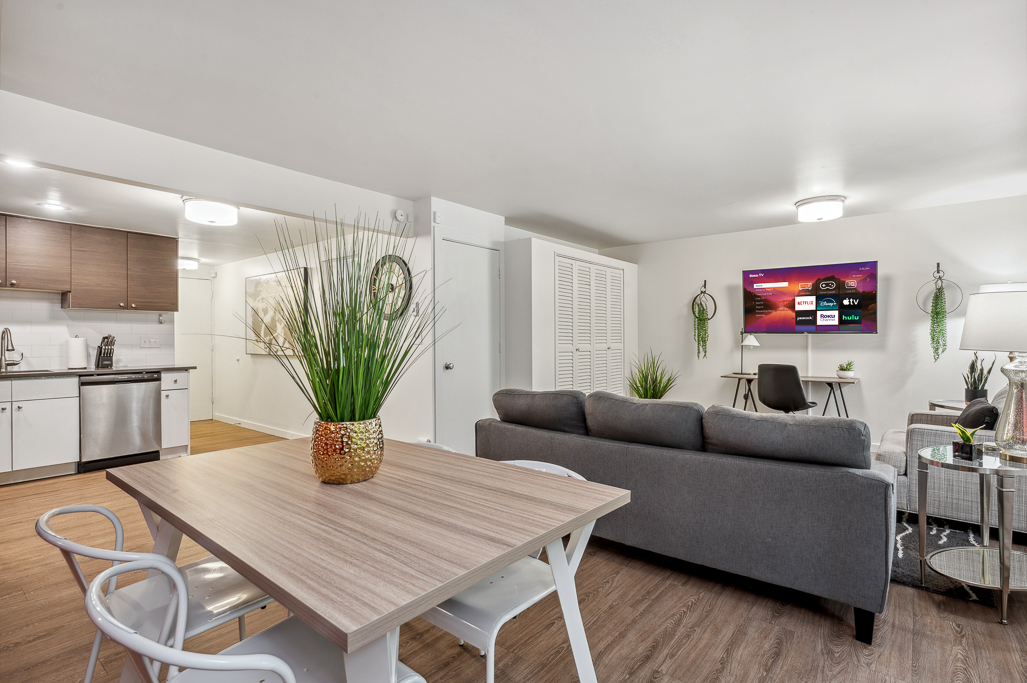
The most immediate difference you'll notice is space. Corporate housing units typically provide 2-3 times the square footage of standard hotel rooms, featuring separate bedrooms, living areas, and fully equipped kitchens. This separation becomes crucial during extended stays: you'll have a dedicated workspace for remote work, a comfortable living room for evening relaxation, and a private bedroom that feels genuinely restful rather than institutional.
The kitchen advantage cannot be overstated for longer stays. Having access to a full-size refrigerator, dishwasher, stovetop, and oven allows you to maintain normal eating habits, accommodate dietary restrictions, and significantly reduce your food expenses. Many guests find that cooking at home during extended stays helps maintain a sense of normalcy and routine that hotels cannot provide.
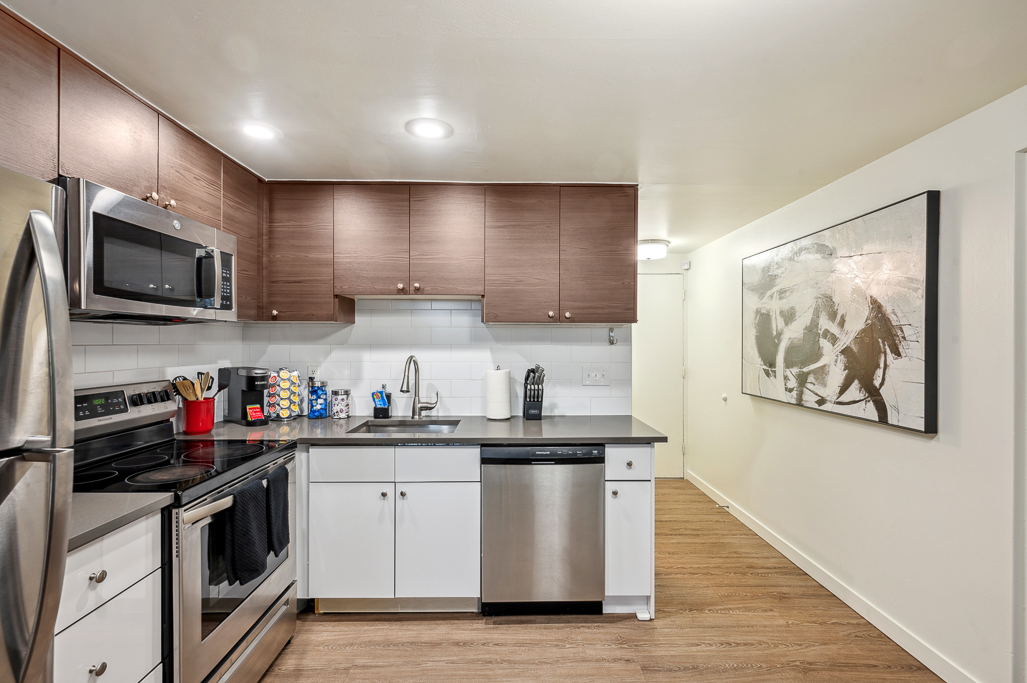
Corporate housing also includes practical amenities often overlooked in hotel comparisons: in-unit washer and dryer, dedicated parking spaces, high-speed internet, and all utilities bundled into a single monthly rate. These conveniences eliminate the constant decision-making and additional costs that accumulate during hotel stays.
However, corporate housing does require more planning and commitment. Most providers require advance booking and minimum stay commitments, making spontaneous arrangements challenging. The trade-off is significant cost savings and vastly improved comfort for extended periods.
The Hotel Experience: Service and Convenience
Hotels excel in areas where corporate housing cannot compete: immediate availability, comprehensive daily services, and location flexibility. For travelers who prefer full-service accommodations, hotels provide daily housekeeping, 24/7 front desk assistance, concierge services, and often on-site dining and fitness facilities.
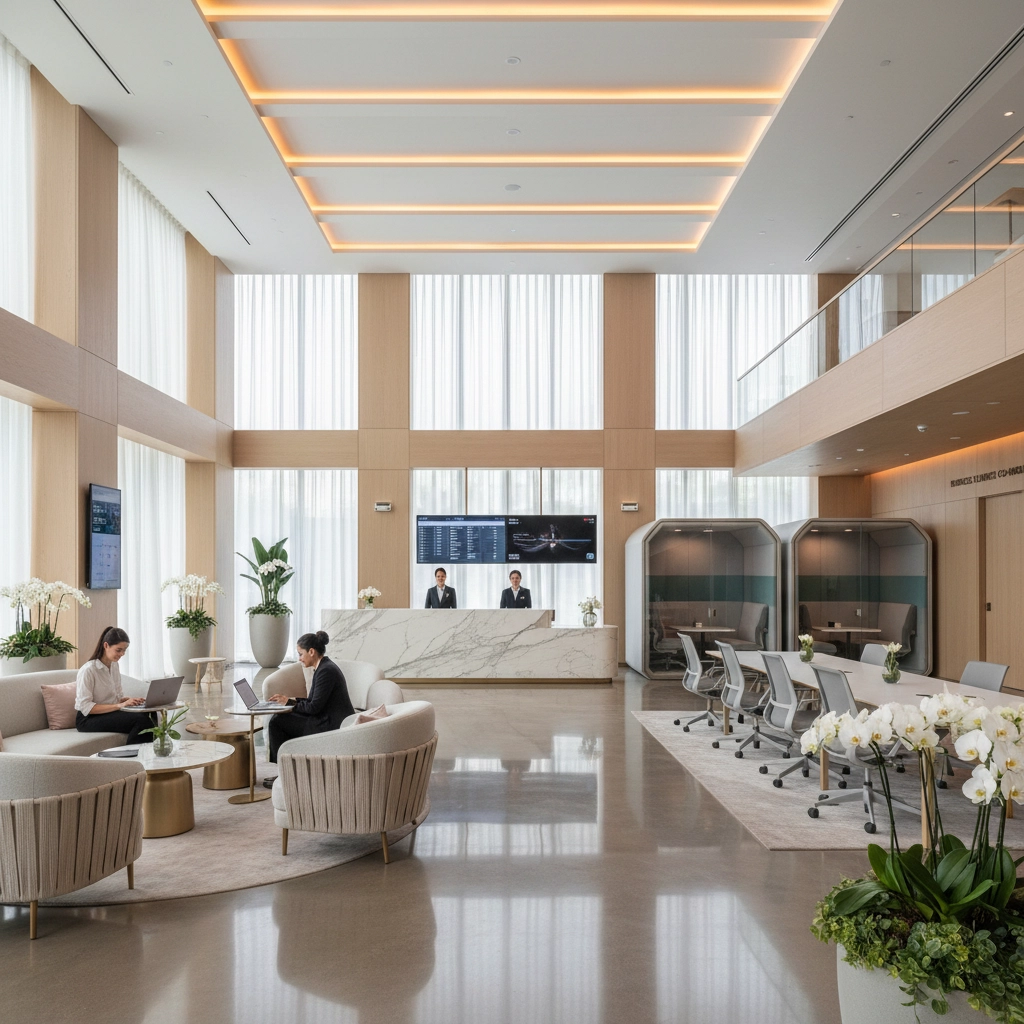
The convenience factor remains hotels' strongest selling point. You can book accommodations with little advance notice, modify your stay length easily, and rely on staff to handle maintenance issues, cleaning, and guest services. For professionals with unpredictable schedules or those who prefer not to manage any household responsibilities during their stay, hotels provide peace of mind.
Seattle's hotel market offers excellent options for extended stays, particularly in downtown business districts and near major medical centers. Many properties provide corporate rates, loyalty program benefits, and meeting spaces that can be valuable for business travelers.
The primary drawback becomes apparent with longer stays: costs accumulate rapidly. Nightly rates that seem reasonable for a week-long visit become prohibitively expensive over months, and additional charges for parking, internet, and meals can double your accommodation expenses.
Cost Analysis: The Numbers Tell the Story
For stays under two weeks, hotels often provide comparable value when you factor in the convenience and services provided. However, the financial equation shifts dramatically for extended stays.
Consider a typical scenario: a 60-day assignment in Seattle. A mid-range hotel averaging $180 per night totals $10,800, plus parking ($25/night = $1,500), and dining costs that could easily reach $50-75 daily ($3,000-4,500). Your total approaches $15,300-16,800 for two months.
Corporate housing for the same period typically ranges from $3,500-6,000 monthly in Seattle, including utilities, internet, parking, and kitchen facilities. Even at the higher end, you're looking at $12,000 total: a savings of $3,300-4,800, plus the intangible benefits of space and privacy.
The savings become even more pronounced for families or longer assignments. Corporate housing providers often offer discounts for extended commitments, while hotel rates remain static regardless of stay length.
Space and Comfort: Beyond Square Footage
The psychological impact of living space during extended stays cannot be underestimated. Hotel rooms, regardless of quality, are designed for temporary occupation. After several weeks, even luxury accommodations begin to feel confining and impersonal.
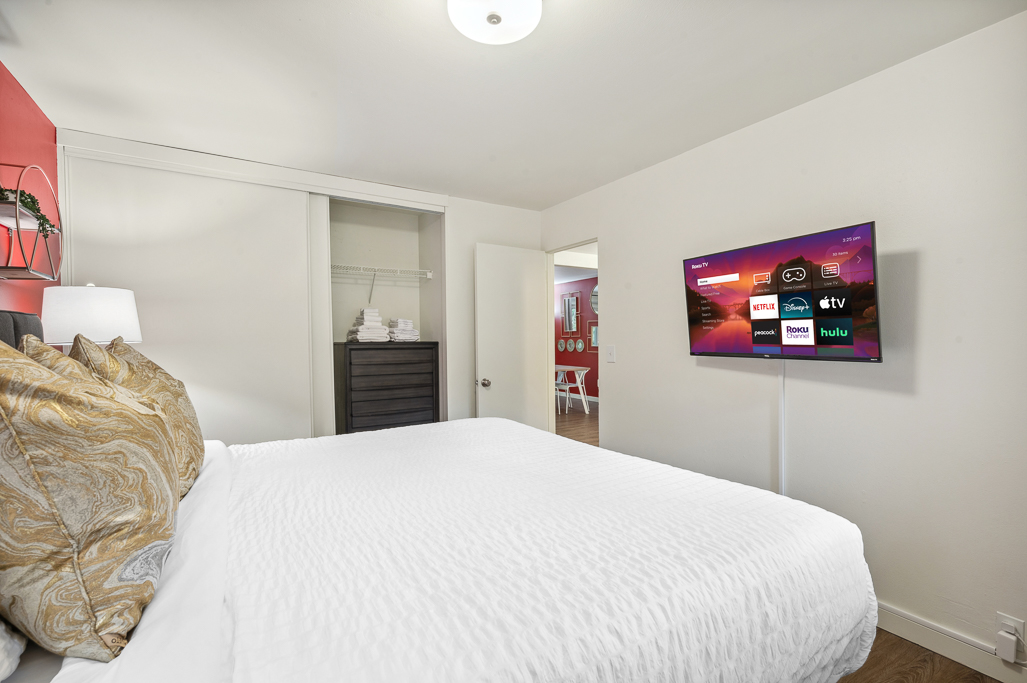
Corporate housing units provide room to spread out, store belongings properly, and establish routines that support productivity and well-being. Having separate spaces for work, relaxation, and sleep helps maintain work-life boundaries that are essential during extended assignments.
The ability to entertain guests, prepare meals, and maintain privacy becomes increasingly valuable as stays extend beyond a few weeks. Corporate housing allows you to host colleagues, family visits, or client meetings in a professional yet comfortable environment.
Making the Right Choice: Decision Framework
Choose Corporate Housing If:
- Your stay exceeds 30 days
- You're traveling with family or pets
- You prefer cooking meals and maintaining household routines
- You need dedicated workspace and privacy
- Budget optimization is a priority
- You can plan your accommodation in advance
Choose Hotels If:
- Your stay is under two weeks
- You require daily housekeeping and full-service amenities
- Your schedule may change unexpectedly
- You prefer central business district locations
- You value loyalty program benefits
- You need immediate booking availability
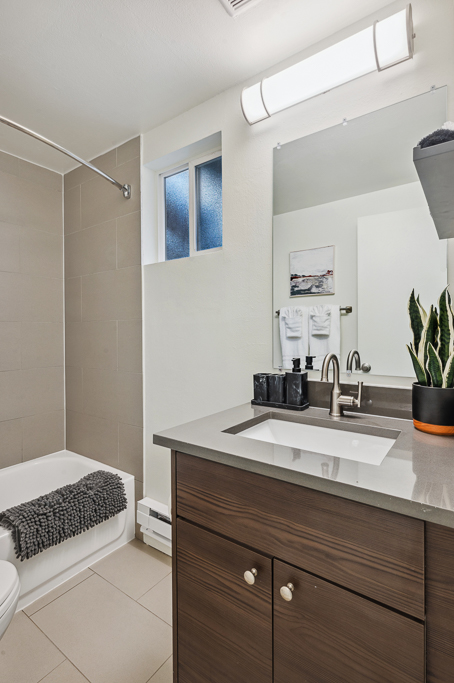
For stays in the 2-4 week range, the choice becomes more nuanced and depends heavily on your personal preferences, budget constraints, and specific location requirements within Seattle.
The Seattle Factor: Local Considerations
Seattle's unique characteristics influence the corporate housing vs. hotel decision in several ways. The city's notorious traffic makes proximity to your work location crucial: corporate housing often provides more neighborhood options, while hotels concentrate in business districts.
Weather patterns also matter for extended stays. Seattle's rainy seasons make having a comfortable indoor environment more important than in other cities. Corporate housing units typically provide better lighting, more windows, and spaces designed for extended indoor time.
The city's strong corporate housing market, driven by tech industry relocations and medical center assignments, ensures good availability and competitive pricing for quality accommodations.
Your Extended Stay Success
The choice between corporate housing and hotels for extended Seattle stays ultimately depends on your priorities: cost efficiency and home-like comfort versus convenience and full-service amenities. For most stays exceeding 30 days, corporate housing provides superior value and comfort, while hotels remain optimal for shorter assignments or situations requiring maximum flexibility.
Consider your specific needs, timeline, and budget constraints when making this decision. The right choice will enhance your Seattle experience, whether you're here for a brief project or an extended life transition. Quality accommodations: whether corporate housing or hotel: serve as the foundation for a successful extended stay, allowing you to focus on your work, treatment, or family needs rather than accommodation concerns.