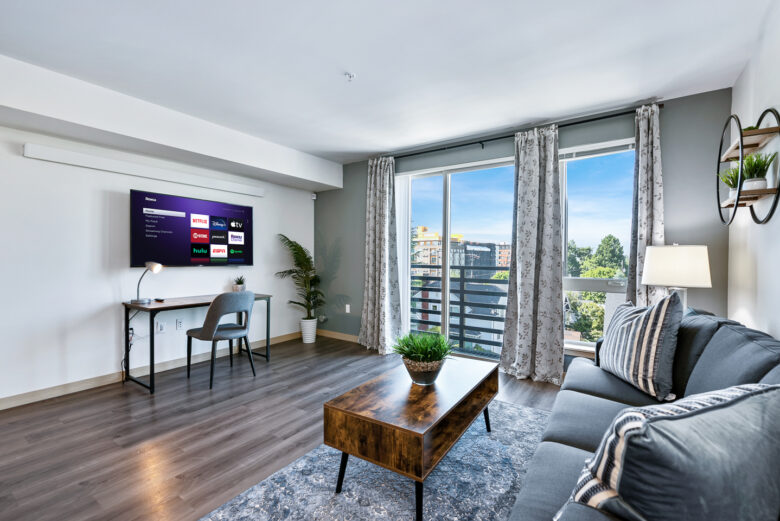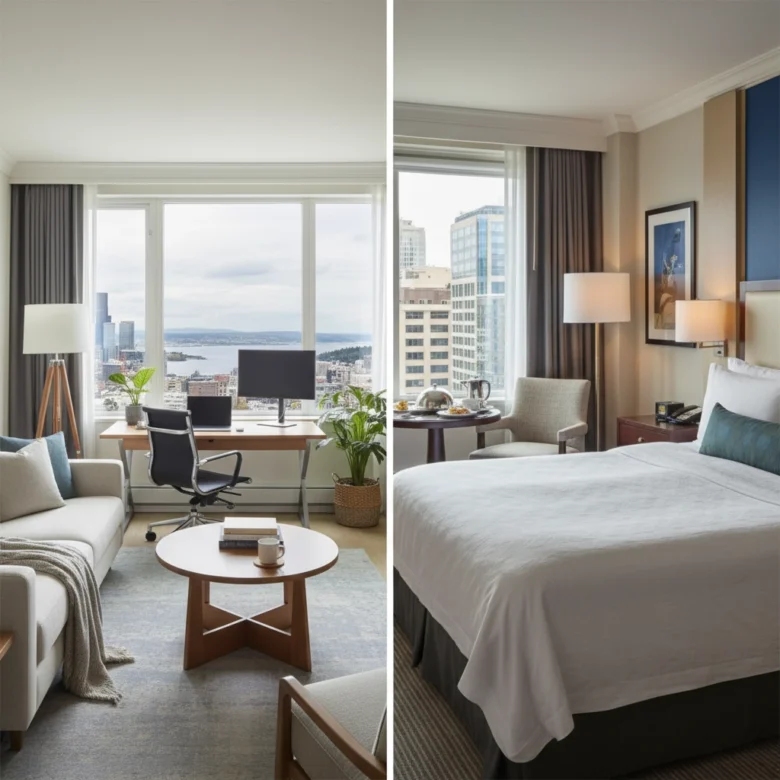
As Seattle prepares to take center stage for the FIFA World Cup 2026, operations managers and logistics coordinators are facing a significant hurdle: housing. With six matches scheduled at Seattle Stadium between June 15 and July 6: including high-stakes matchups like USA vs. Australia and the Round of 16: the demand for high-quality, reliable accommodation will reach unprecedented levels.
For event staff, media crews, and operations teams staying in the Pacific Northwest for 30 days or longer, the traditional hotel model often falls short. While a hotel is suitable for a weekend, it can become a source of friction for professionals on multi-week deployments. Mid-term furnished apartments, often referred to as corporate housing, offer a more strategic solution for the modern event landscape.
Here are five reasons why mid-term housing is the superior choice for event staff during the 2026 World Cup and other major Seattle assignments.
1. Sustainable Routines and Personal Wellness
The demanding nature of event management requires peak performance over long hours. In a traditional hotel, the lack of private amenities often disrupts the routines that keep professionals healthy and focused. After a ten-hour shift coordinating logistics at the stadium, the prospect of eating at a hotel bar or searching for a late-night restaurant can be exhausting.
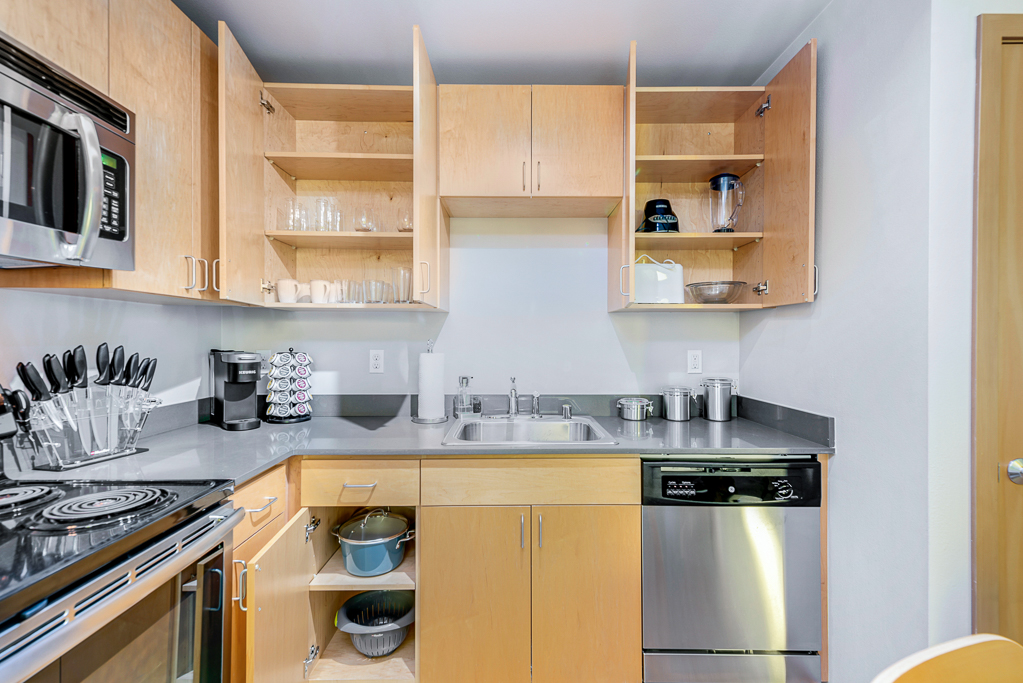
Furnished apartments provide the infrastructure for a sustainable lifestyle. Having a full, modern kitchen allows staff to maintain their dietary preferences and prepare nutritious meals on their own schedule. This is not just a luxury; it is a necessity for long-term stamina. Furthermore, in-unit laundry facilities eliminate the stress of coordinating with hotel valet services or finding local laundromats, saving valuable hours each week.
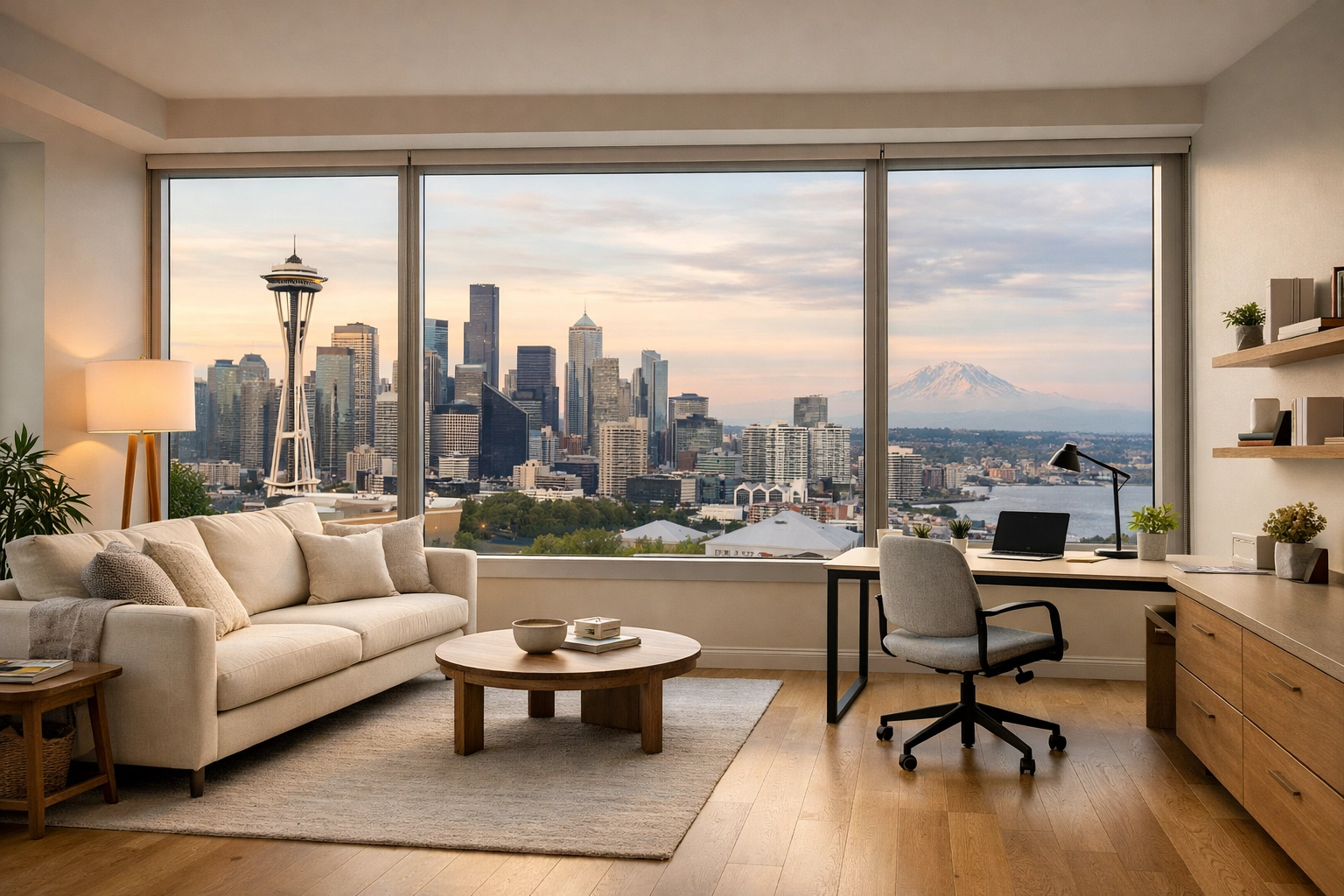
A "spotless sanctuary" with a dedicated workspace and a comfortable living area allows for a clear mental separation between the intensity of the event and the need for rest. When your team has a real home to return to, they are better equipped to handle the high-pressure environment of a global sporting event.
2. Cost Predictability and Budget Efficiency
For procurement and HR teams, the financial argument for mid-term housing is compelling. Traditional hotel pricing in Seattle is volatile, especially during peak summer months and major international events. A standard downtown hotel room can easily fluctuate between $250 and $400 per night. Over a 30-day period, this can result in a bill exceeding $12,000 per person, excluding taxes, parking, and incidental fees.
In contrast, a refined mid-term apartment at a property like Convenient Oasis typically ranges from $4,350 to $5,550 per month. This all-inclusive rate covers utilities, high-speed WiFi, and furnishings. For a team of five people staying for six weeks, the savings compared to a hotel can exceed $30,000.
Beyond the base rate, mid-term housing simplifies expense management. Instead of auditing hundreds of individual meal receipts and hotel line items, your accounting department receives a single, predictable invoice. This transparency allows for more accurate forecasting and protects your budget from the "surge pricing" common in the hospitality industry during the World Cup.
3. Operational Proximity and Team Synergy
Large-scale events rely on seamless communication. When a team is scattered across different hotel floors or different properties entirely, natural opportunities for collaboration are lost. Mid-term housing allows operations managers to keep their core team within the same building or complex, creating a natural operational hub.
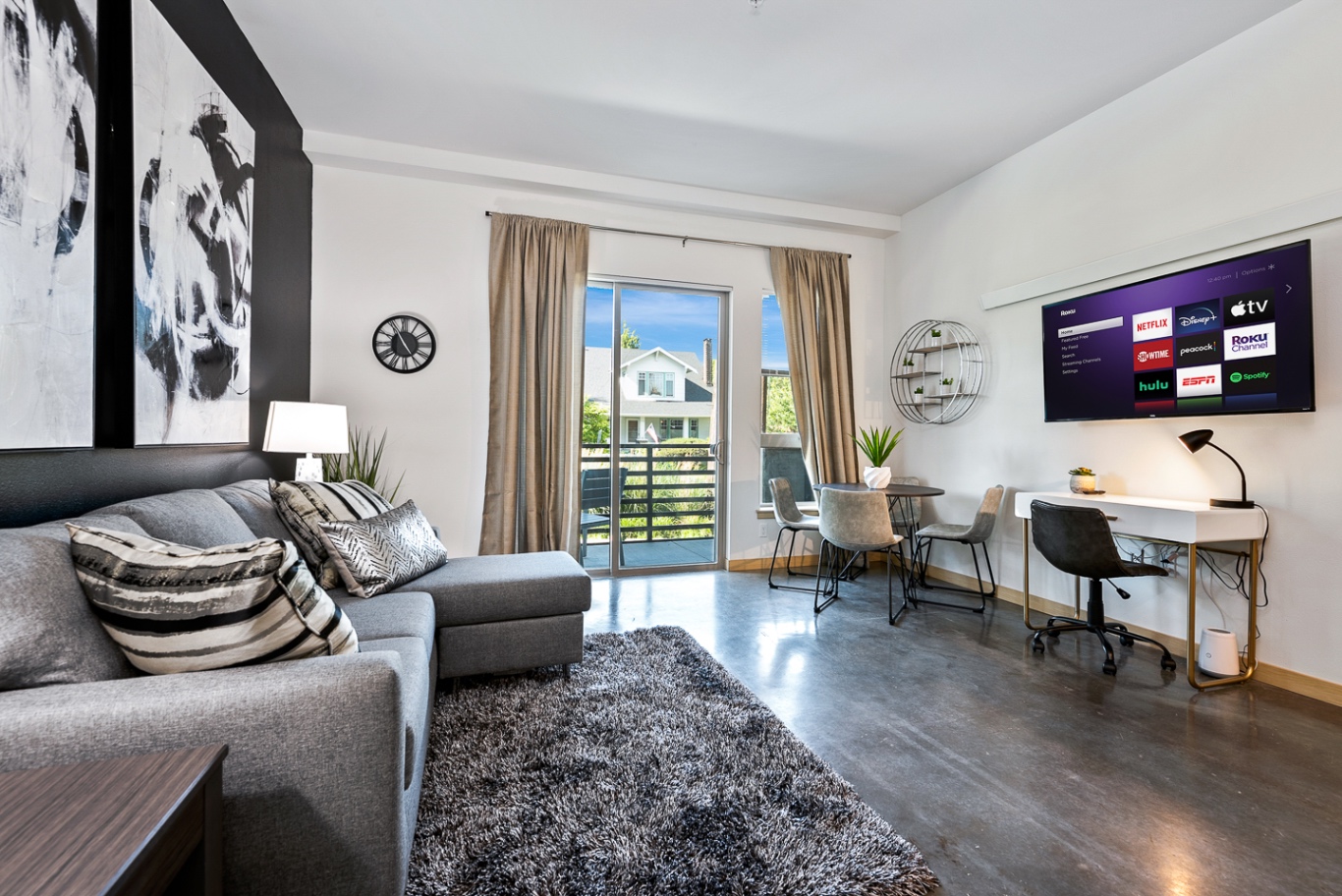
A spacious one-bedroom or studio apartment provides more than just a place to sleep; it serves as a private, secure environment where small team meetings or late-night strategy sessions can occur without the distractions of a crowded hotel lobby. Modern interiors, such as those found at Premier Serene Living, often include dedicated desks and ultra-fast WiFi, ensuring that productivity remains high even outside the stadium.
By housing staff in strategic locations like Beacon Hill: which offers direct light rail access to the stadium: teams can commute together, further fostering the camaraderie and synchronization required for successful event execution.
4. Local Integration and Staff Morale
Hotel fatigue is a well-documented phenomenon for extended-stay travelers. Living in a "hotel bubble" can lead to a sense of isolation and a disconnect from the host city. For staff working on the World Cup, the experience should be as rewarding as it is demanding.
Mid-term housing integrates your team into the fabric of Seattle’s neighborhoods. Whether they are staying in the vibrant, walkable streets of Beacon Hill or the sophisticated, tech-forward environment of Downtown Bellevue, staff benefit from a more authentic experience. Being able to walk to a local grocery store, visit a neighborhood coffee shop, or explore a local park contributes significantly to morale.

When staff feel like residents rather than tourists, their engagement with the city improves. A happy, well-integrated team is less prone to burnout and more likely to represent your organization with professionalism and enthusiasm. This local connection also provides practical benefits, such as easier access to transit and a quieter environment away from the immediate congestion of the stadium district.
5. Flexibility for Changing Timelines
The logistics of a global event like the World Cup are rarely static. Match schedules evolve, post-event cleanup may take longer than anticipated, and administrative requirements often extend past the final whistle on July 6. Traditional hotel bookings can be rigid, and extending a stay during a sold-out event is often impossible.
Mid-term housing providers like Roundtop Rentals offer a level of flexibility that hotels cannot match. Month-to-month terms and clear extension policies allow operations managers to adapt to changing needs. If a team needs to stay an extra ten days to finalize equipment shipments or wrap up media reports, corporate housing provides the stability to do so without the fear of being displaced by a subsequent booking.
This adaptability is a safeguard for your logistics plan. Knowing that your team has a secure home base regardless of how the event timeline shifts provides peace of mind for coordinators managing hundreds of moving parts.
Conclusion: Elevate Your World Cup Logistics
As the 2026 World Cup approaches, the choice of where to house your staff will have a direct impact on your event's success. Choosing mid-term housing over traditional hotels is a strategic decision that prioritizes budget efficiency, team well-being, and operational stability.
By opting for furnished apartments in Seattle and Bellevue, you provide your team with a refined, professional environment that supports their hard work and respects their need for a true home away from home.
For more information on securing mid-term housing for your team, explore our available properties at booking.roundtop-rentals.com or contact us directly.
For more information, contact Roundtop Rentals at admin@roundtop-rentals.com or (425) 584-5745.