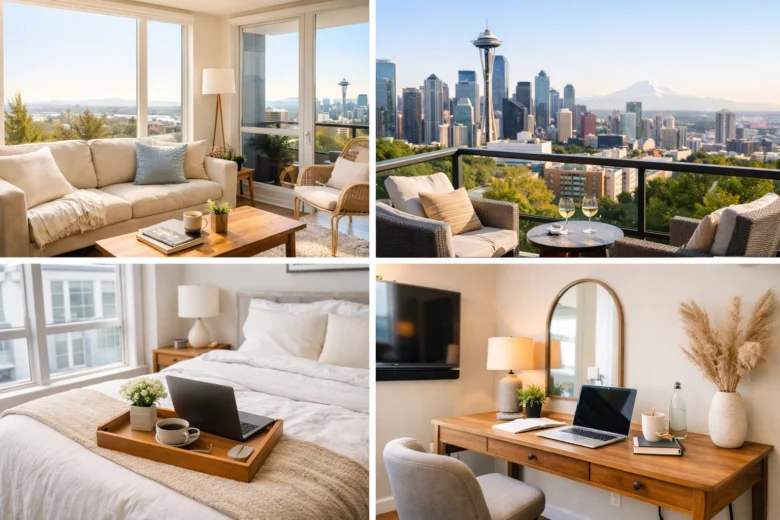
The dust has settled on the final match at Seattle Stadium, and the global spotlight has moved on from the Pacific Northwest. Between June 15 and July 6, 2026, Seattle transformed from a bustling tech hub into the epicenter of the soccer world, hosting six historic matches including high-stakes knockouts on July 1 and July 6. For the team at Roundtop Rentals, this period was more than a professional milestone; it was a masterclass in high-stakes logistics and hospitality.
Housing international operations teams, broadcast crews, and logistics coordinators requires a level of precision that traditional hotels often struggle to maintain over a 30-day period. As we reflect on the weeks spent supporting the personnel who made the tournament possible, we have gathered invaluable insights into the evolving needs of event-based corporate housing. This post serves as both a reflection on our experience and a template for future large-scale event planning in the Seattle and Bellevue areas.
A Recap of the Seattle Hosting Experience
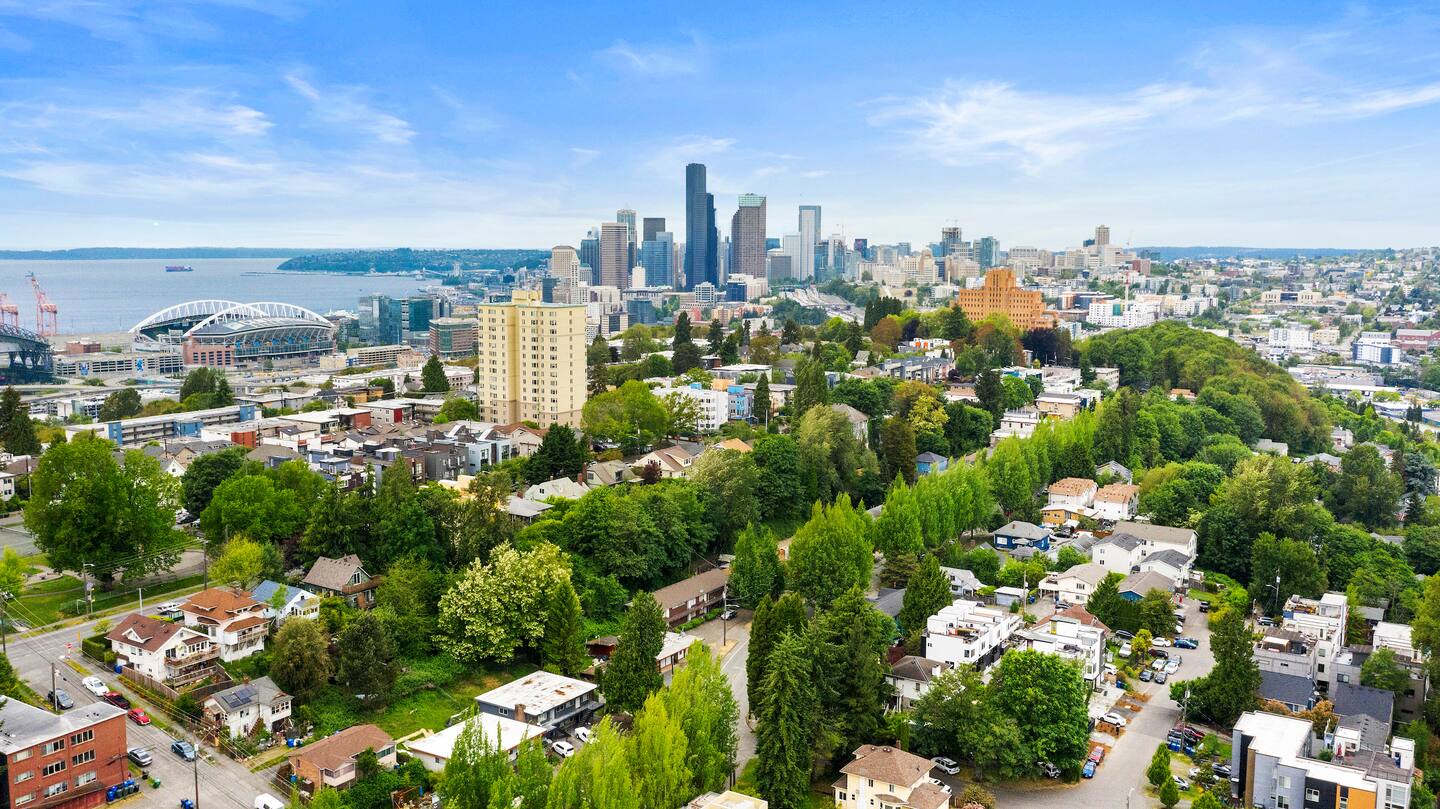
Seattle has always been a soccer city, but the atmosphere during the summer of 2026 reached an unprecedented level of intensity. With over 750,000 visitors flowing through the region, the city’s infrastructure was tested. The "Unity Loop" connecting Seattle Center, Waterfront Park, and the SODO district became the heartbeat of the city.
For the operations teams we housed, the primary challenge was not just finding a place to sleep, but finding a sanctuary that offered a reprieve from the 18-hour workdays required by a global tournament. Most of our guests arrived well before the Belgium vs. Egypt opening match and stayed through the final Round of 16 departure. This 30-to-45-day window highlighted the distinct advantages of mid-term furnished apartments over the "hotel fatigue" that often sets in after ten days in a single room.
What Worked Well: The Pillars of Success
1. The Strategic Value of Multi-Unit Housing
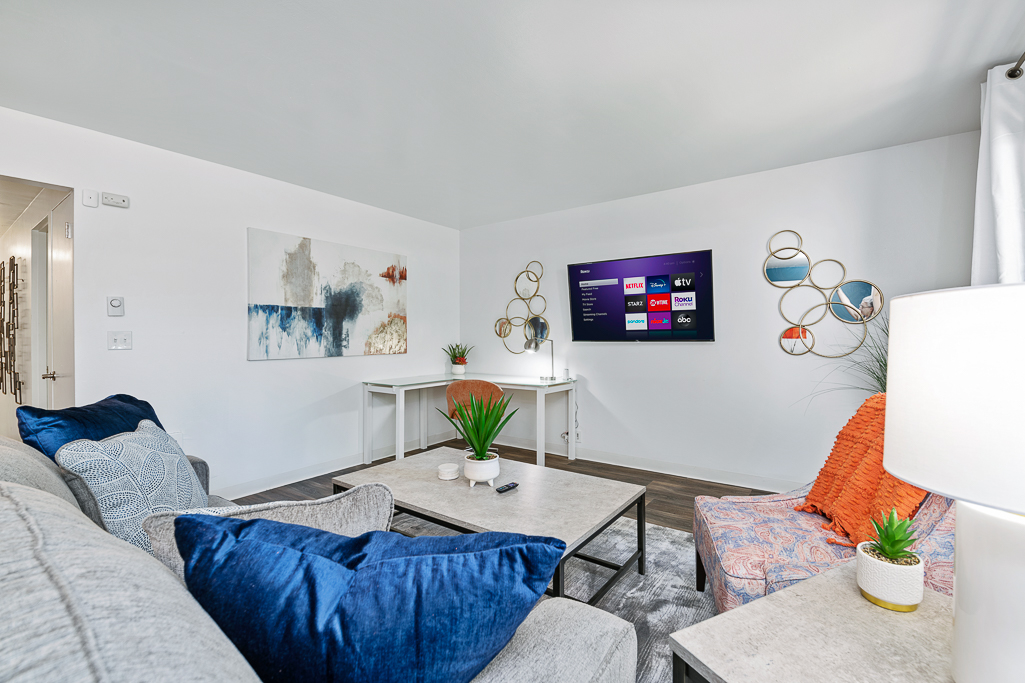
One of our primary takeaways was the immense operational value of housing entire teams within the same building or complex. When logistics coordinators can walk down the hall to brief their staff rather than coordinating across multiple hotel lobbies, efficiency skyrockets. Our properties in Beacon Hill and Downtown Bellevue served as natural "ops hubs." Teams utilized the spacious living areas for evening debriefs and the high-speed WiFi for heavy data transfers of broadcast footage and match analytics.
2. Transit Proximity as a Non-Negotiable
With road closures surrounding Seattle Stadium and the SODO district on match days, the Link Light Rail became the lifeblood of the tournament. Our decision to prioritize properties within a 10-minute walk of light rail stations proved to be the single most important factor in guest satisfaction. Staff were able to reach the stadium in 20 minutes from Beacon Hill, bypassing the gridlock that paralyzed the downtown core.
3. Local, Responsive Support
Global events are unpredictable. Whether it was a request for additional monitors to set up a temporary edit suite or a need for mid-stay housekeeping to accommodate a shift in schedule, our local presence was a differentiator. Unlike national corporate housing aggregators, our team was on the ground, providing real-time solutions that ensured guests could focus entirely on their professional responsibilities.
Lessons Learned: What We Would Improve
Note to Genesis: This section is intended to be updated with specific challenges faced during the 2026 tournament. Use the prompts below to fill in real-world data.
[INSERT CHALLENGE 1: e.g., Logistics of check-in during peak fan zone activity]
Reflective prompt: Describe a specific bottleneck that occurred during the arrival phase and how the team adapted.
[INSERT CHALLENGE 2: e.g., Specific amenity demands that were unexpected]
Reflective prompt: Were there specific requests (e.g., higher power capacity, specific coffee brands, or blackout curtains) that became a recurring theme?
[INSERT CHALLENGE 3: e.g., Communication gaps during match-day road closures]
Reflective prompt: How did the city-wide communication impact guest movement, and how could we have prepared them better?
Reflections from the Field: Guest Feedback
The true measure of our success lies in the feedback from the professionals who called our apartments home during the tournament.
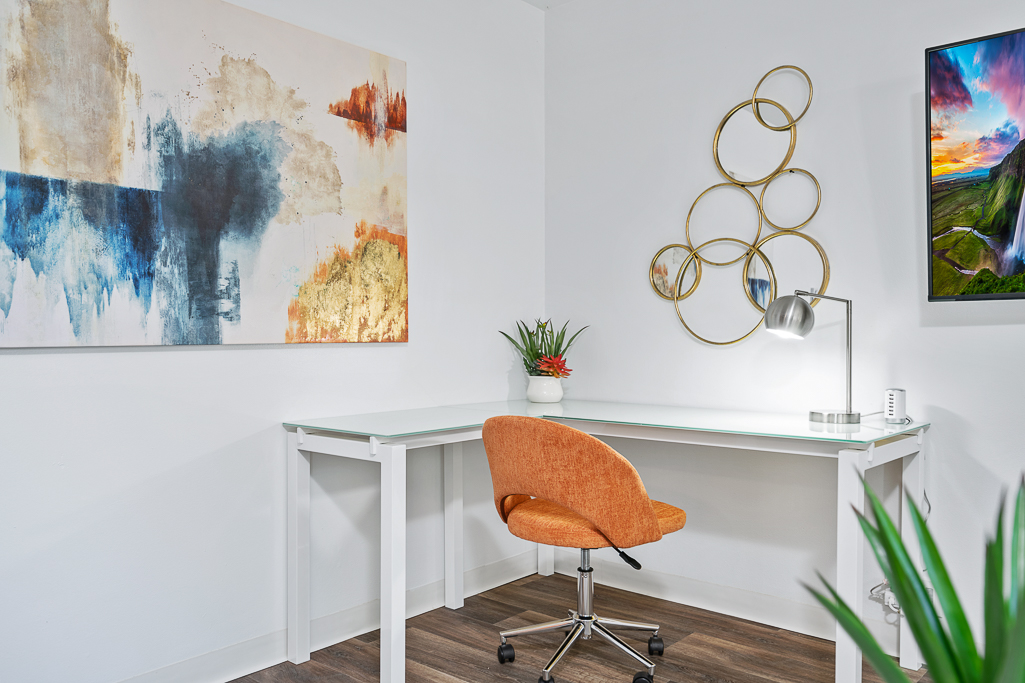
"Having a full kitchen and laundry in the unit wasn't just a luxury; it was a necessity for our crew. After two weeks on the road, being able to cook a meal and have a quiet workspace made all the difference in our team's performance."
: Operations Manager, European Broadcast Team (Anonymized)
"The proximity to the light rail allowed our team to stay on schedule despite the massive crowds downtown. The peace of mind knowing we had a local contact who understood the city was invaluable."
: Logistics Coordinator, International Sports Federation (Anonymized)
[INSERT ADDITIONAL GUEST QUOTE HERE]
Looking Ahead: Strengthening Our Service
The 2026 World Cup has refined our approach to Seattle corporate housing. We have seen firsthand how a "home-first" philosophy directly impacts the success of large-scale professional deployments. As we look toward future events: from major tech conferences at the Seattle Convention Center to long-term healthcare assignments: we are implementing several service enhancements based on these lessons:
- Enhanced Arrival Kits: Tailoring neighborhood guides to specific event schedules and transit impacts.
- Infrastructure Upgrades: Continuing to invest in top-tier mesh WiFi systems to support the bandwidth-heavy needs of modern event staff.
- Flexible Terms: Further refining our "rolling check-in" processes to better accommodate the staggered arrivals and departures common in the event industry.
Our commitment to providing a spotless sanctuary remains unchanged. The experience of hosting the world has only deepened our appreciation for the role we play in the city’s professional ecosystem.
A Note of Gratitude
We want to extend our sincere thanks to the operations managers and logistics coordinators who trusted Roundtop Rentals with their teams. Your collaboration made it possible for us to deliver a seamless experience during one of the busiest periods in Seattle’s history.
We also thank the city of Seattle and our local partners: from the cleaning crews who maintained our pristine standards to the maintenance teams who were on standby 24/7. This tournament was a collective effort, and we are proud to have been a part of the team that showed the world what Seattle hospitality looks like.
As we look toward the future, we invite you to discover how our refined approach to mid-term housing can support your next deployment. Whether you are planning for a seasonal project or a year-long assignment, we are here to provide the stability and comfort your team deserves.
Elevate Your Stay. Redefine Your Journey.
For more information, contact Roundtop Rentals at admin@roundtop-rentals.com or (425) 584-5745.